
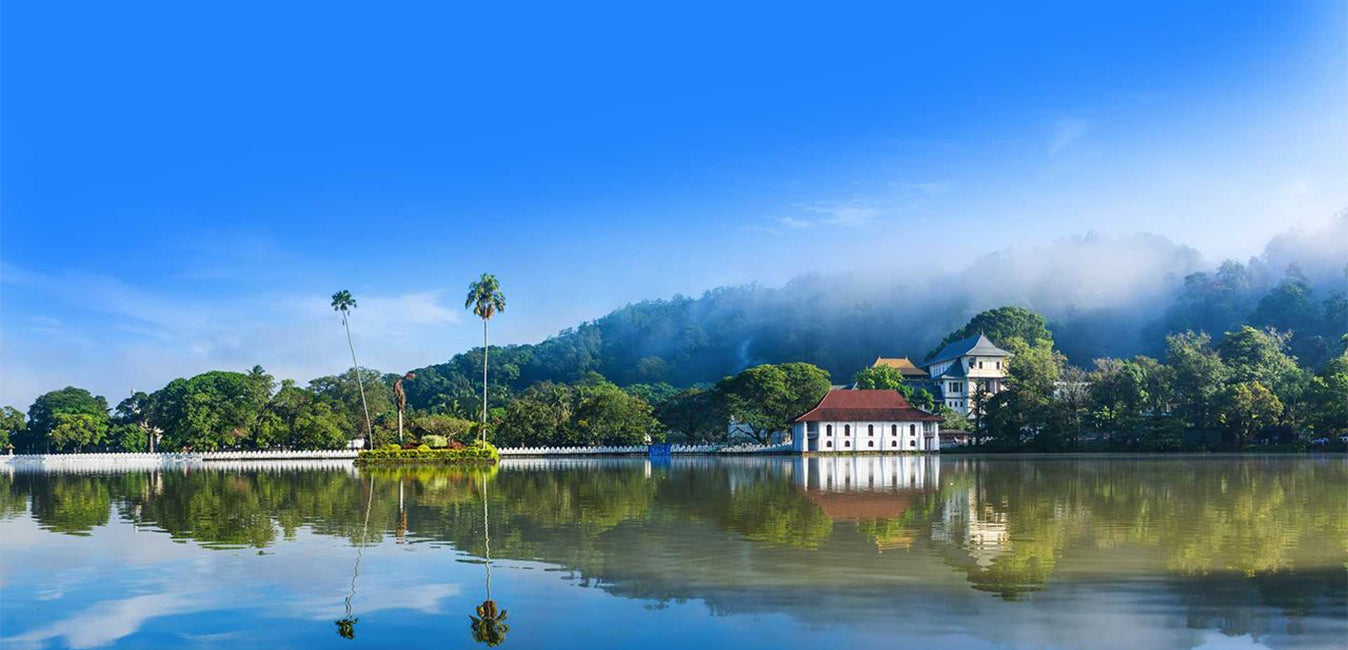
Narangamuwa


Narangamuwa is a growing suburban locality in Sri Lanka that reflects the quiet transformation seen in many semi-urban communities across the island. Traditionally known for its rural character, Narangamuwa has gradually evolved into a residential and commercial extension of nearby urban centers, while still retaining a strong connection to village life. This balance between development and tradition gives the area a distinct identity that resonates with both long-term residents and newcomers.
The landscape of Narangamuwa is shaped by home gardens, paddy fields, and small-scale cultivation, which continue to support household livelihoods and local food needs. Coconut, banana, and other fruit trees are commonly found, reflecting Sri Lanka’s age-old practice of sustainable mixed farming. Alongside agriculture, small businesses, workshops, and service outlets have emerged, providing employment and reducing the need for daily travel to larger towns. This gradual diversification of livelihoods highlights the adaptability of the local community.
Social life in Narangamuwa is closely tied to cultural and religious institutions. Buddhist temples play a central role in community gatherings, religious observances, and social welfare activities, while other places of worship reflect the area’s multicultural harmony. Annual religious festivals, almsgivings, and village events foster a sense of unity and shared responsibility. These traditions help preserve cultural values even as lifestyles modernize.
Education and connectivity have also improved in Narangamuwa over time. Access to schools, tuition centers, and public transport has made the area attractive to families seeking a quieter environment without being isolated. Road networks link Narangamuwa to nearby towns and economic hubs, supporting daily commuting and trade. The increasing use of digital services and communication technologies further integrates the community into the wider national economy.
Today, Narangamuwa stands as an example of Sri Lanka’s semi-urban growth, where development is steady rather than disruptive. It offers a lifestyle that blends convenience with community, and progress with tradition. As infrastructure and services continue to improve, Narangamuwa is likely to remain a desirable place for those who value a grounded, community-oriented way of life within a changing Sri Lankan landscape.


