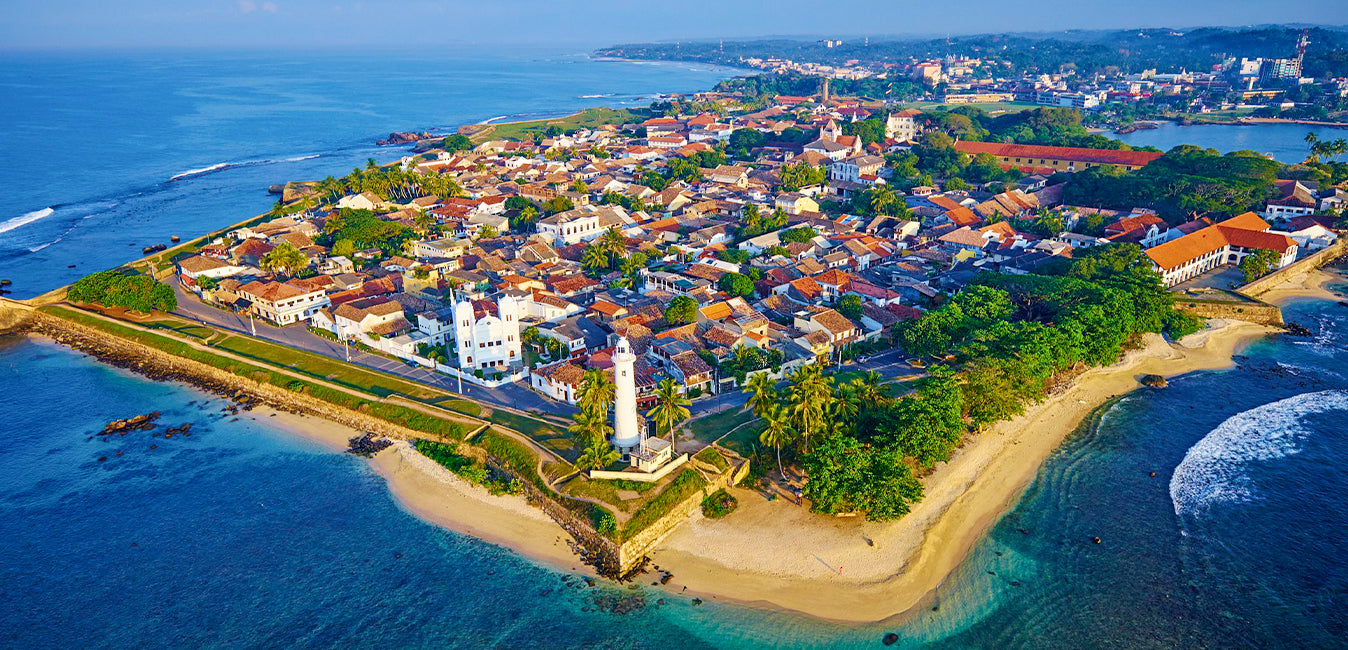
The Old Dutch Hospital in Galle Fort is one of the most iconic colonial-era buildings in Sri Lanka. Built in the 17th century during Dutch colonial rule, it originally functioned as a hospital for the Dutch East India Company’s soldiers and officers. The building is one of the oldest surviving hospitals in Sri Lanka and stands as a significant symbol of colonial architecture and history within the UNESCO World Heritage-listed Galle Fort.
Architecturally, the Old Dutch Hospital reflects traditional Dutch colonial design, with thick walls, high ceilings, large windows, and long verandas, all intended to keep the building cool in Sri Lanka’s tropical climate. The building's structure includes beautiful arches and corridors that exemplify the combination of European and South Asian architectural styles. The robust design, using coral stones and local materials, has allowed it to withstand centuries of wear and tear, as well as natural disasters like the 2004 tsunami, which caused considerable damage to the surrounding area but left the hospital relatively intact.
Today, the Old Dutch Hospital has been meticulously restored and transformed into a lifestyle and dining complex. It now houses high-end restaurants, cafes, and boutique shops, offering visitors a unique opportunity to experience the colonial atmosphere while enjoying modern conveniences. Its strategic location within Galle Fort, near the lighthouse and ramparts, makes it a popular stop for tourists exploring the fort’s historical landmarks.
The Old Dutch Hospital’s conversion into a commercial space highlights Sri Lanka's efforts to preserve its colonial heritage while adapting these historical structures for contemporary use. Visitors can stroll through the open courtyards, dine in a heritage setting, or shop for souvenirs, all while appreciating the historical significance of this remarkable building. The Old Dutch Hospital is a perfect example of how Sri Lanka blends its rich colonial history with modern tourism.