
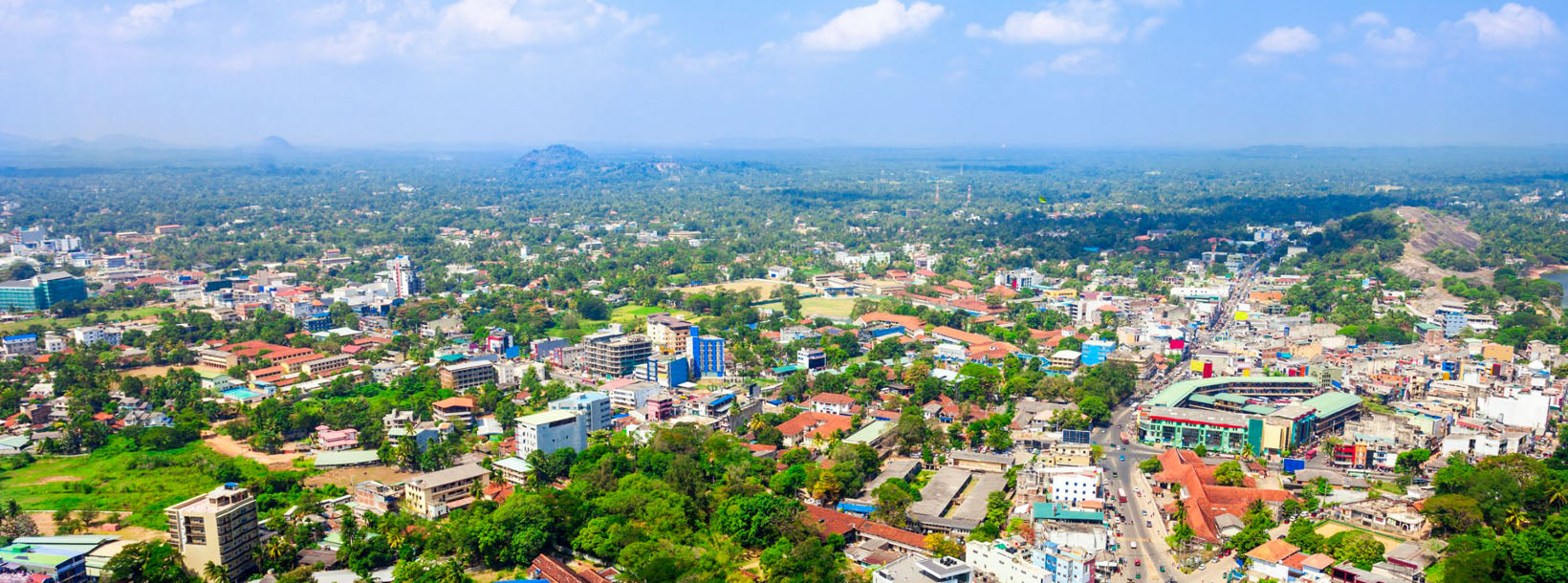
Rambodagalla Temple


Rambodagalla Temple, also known as Rambadagalla Monaragala Viharaya, is a sacred Buddhist site located in a serene rural setting in the Kurunegala District of Sri Lanka. Surrounded by gentle hills and farmland, this temple is renowned for housing one of the tallest granite Buddha statues in the country. Built as a symbol of peace and resilience, the temple attracts pilgrims and culture seekers who wish to explore Sri Lanka's deep Buddhist heritage. Its tranquil ambiance makes it a spiritually uplifting destination.
The massive seated Buddha statue, carved in the Dhyana Mudra pose, stands at approximately 67 feet and is a masterpiece by Indian sculptor Muthiah Sthapathi. The temple's history is linked to ancient monastic caves dating back to early centuries and reflects the lasting influence of Buddhism in the region. The site conveys a powerful message of unity and devotion rooted in Sri Lankan culture.
Visitors to Rambodagalla Temple can walk through peaceful surroundings, observe traditional religious rituals, and admire the craftsmanship of the colossal Buddha figure. The quiet environment is ideal for meditation and reflection. The nearby ancient hilltop temple offers panoramic views of the surrounding countryside, enhancing the overall experience. Many travelers find this location spiritually enriching and culturally insightful.
The temple can be visited throughout the year and is accessible from major nearby cities such as Kurunegala and Kandy within the Central Province. The journey to Rambodagalla takes visitors through rural landscapes with villages, paddy fields, and coconut plantations that reflect traditional Sri Lankan life. Early morning and late afternoon visits provide ideal weather and peaceful conditions. Travelers often combine this visit with cultural tours to Dambulla Cave Temple or Sigiriya Rock Fortress. With its impressive statue, quiet surroundings, and rich spiritual atmosphere, Rambodagalla Temple offers a memorable blend of heritage, Buddhism, and natural serenity in the heart of Sri Lanka.


